
If your below-grade bathroom, laundry or wet bar is gurgling, draining slow, or backing up, your sewer ejector pump is the part doing the quiet work, and it's probably tired. That pump lifts waste up from a low fixture into your main sewer line so nothing sits where it shouldn't. When you call Professional Choice Plumbing, you get an actual plumber trained the right way, knowledgeable about Florida codes, who checks the pump, float and check valve before anyone quotes you a dollar. You'll know what's wrong, what it costs, and what we'd fix if it were our own house. The $59 service call fee is waived with any work.
An ejector pump is the only thing standing between your low fixtures and a backup, so when it quits, the waste has nowhere to go but back into your home. That’s not a mess you want on a floor you live on. A pump that short-cycles or runs constantly also burns out fast and spikes your power bill, and a stuck float can let the basin overflow without warning.
Buying wrong hurts too. A swap-and-go tech can drop in the cheapest pump that fits, skip the check valve, ignore the vent, and leave you with the same problem in a year. We’d rather diagnose it right the first time. If the fix is small, we’ll tell you it’s small. If the basin and pump are both shot, you’ll see why before you decide anything.
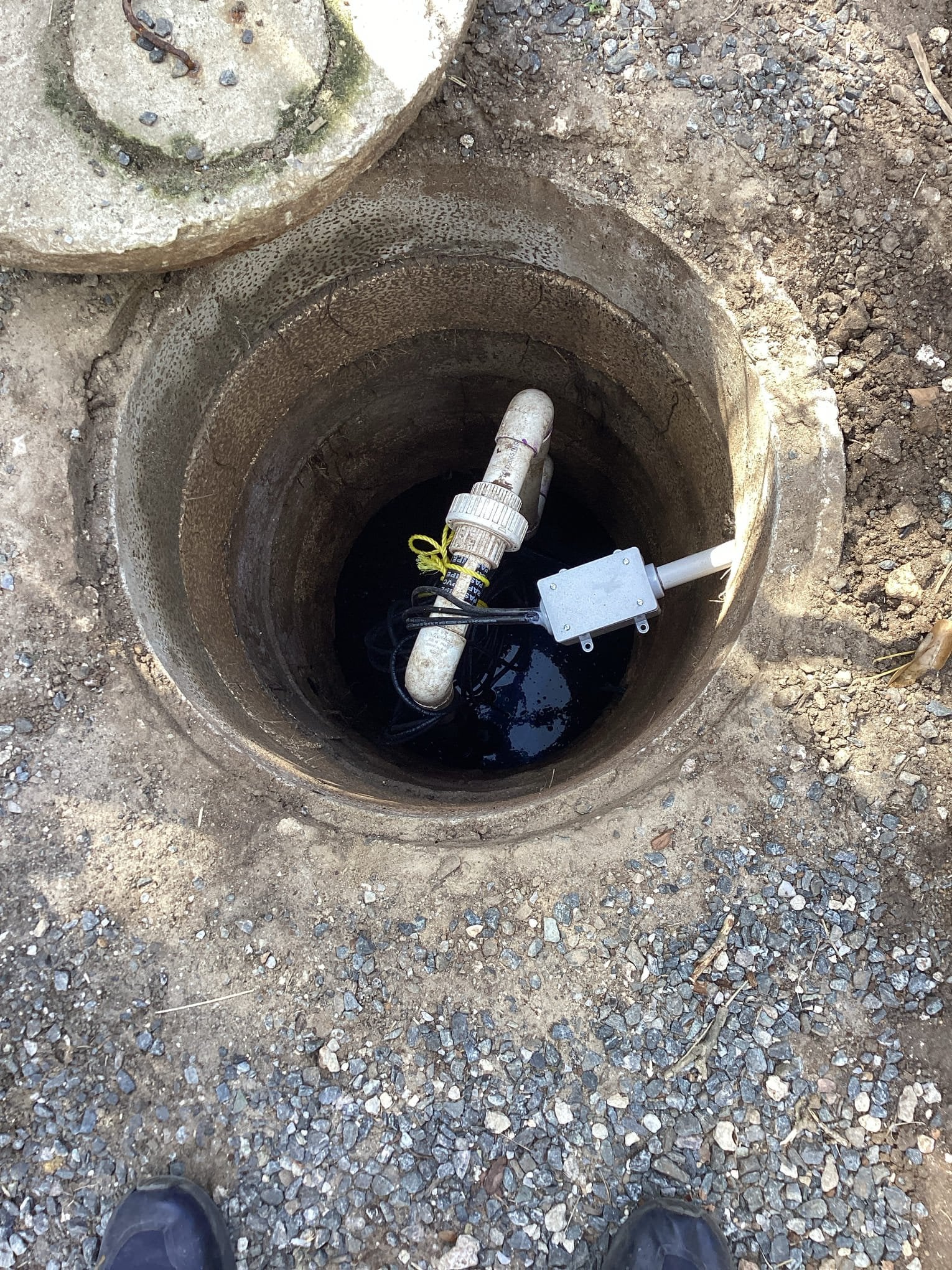
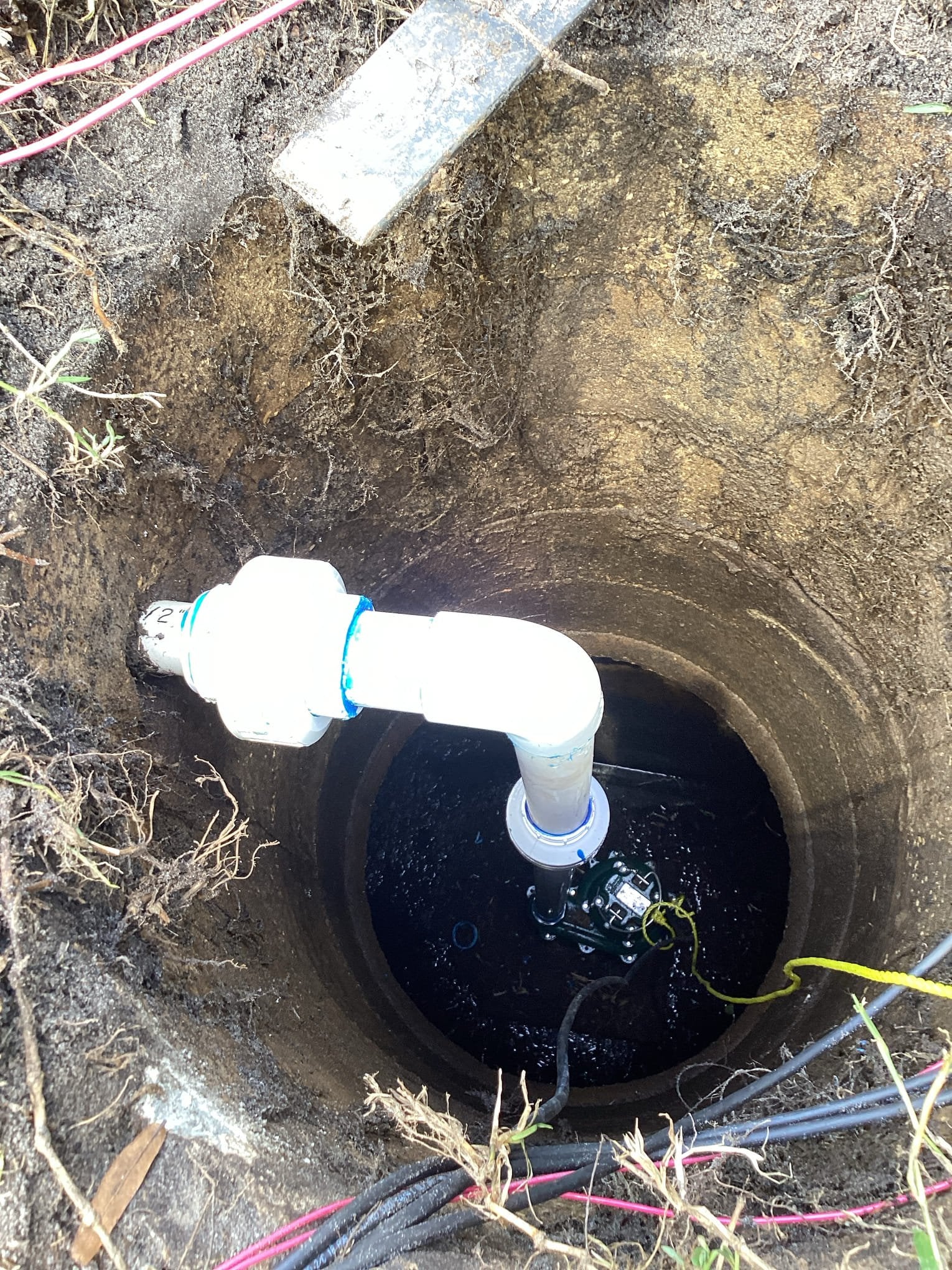
A sewer ejector system is simple once you see it. Waste from your below-grade fixtures drains into a sealed basin, usually set in the floor. Inside that basin sits the pump and a float switch. As the basin fills, the float rises, the pump kicks on, and it pushes the waste up and out through a discharge pipe into your main sewer line.
A check valve on that discharge pipe keeps what went up from falling back down into the basin. A vent lets air move so the pump isn’t fighting a vacuum. When any one of those three parts fails, the pump, the float, or the check valve, you get the gurgle, the slow drain, or the backup. A trained plumber tests each piece instead of guessing, so you only pay to fix the part that’s actually broken.
Most ejector pump problems give you a warning before the full backup. If you catch one of these early, the repair is usually smaller and cheaper. Here’s what to watch and listen for in a below-grade bathroom or laundry:
If you’ve got one or more of these, it’s worth a look before it turns into a cleanup. Call 352-778-1002 and we’ll get a plumber scheduled.
It depends on what failed and how old the system is. A stuck or worn float switch, a bad check valve, or a loose discharge connection is often a repair, not a replacement. Those parts wear out faster than the pump itself, and swapping one is the honest, lower-cost call.
A pump that’s burned out, cracked, or past its service life usually needs replacing, and if the basin is corroded or the lid no longer seals, we’ll talk that through too. A sealed, properly vented basin matters for both odor and Florida code. We’ll show you the worn part, explain why it failed, and give you the repair price and the replacement price side by side. You pick. The difference is in the details, and you stay in control of the money.
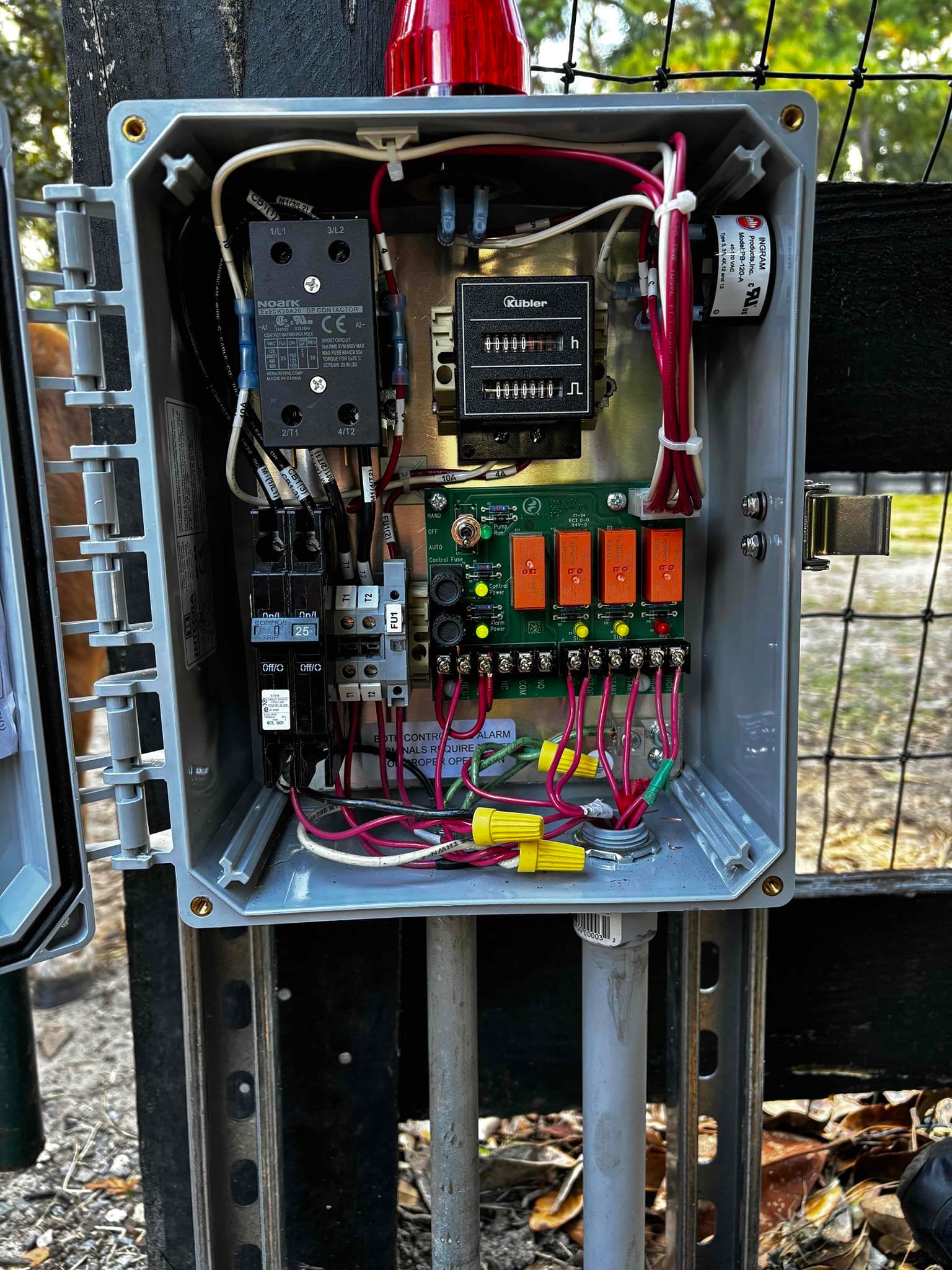
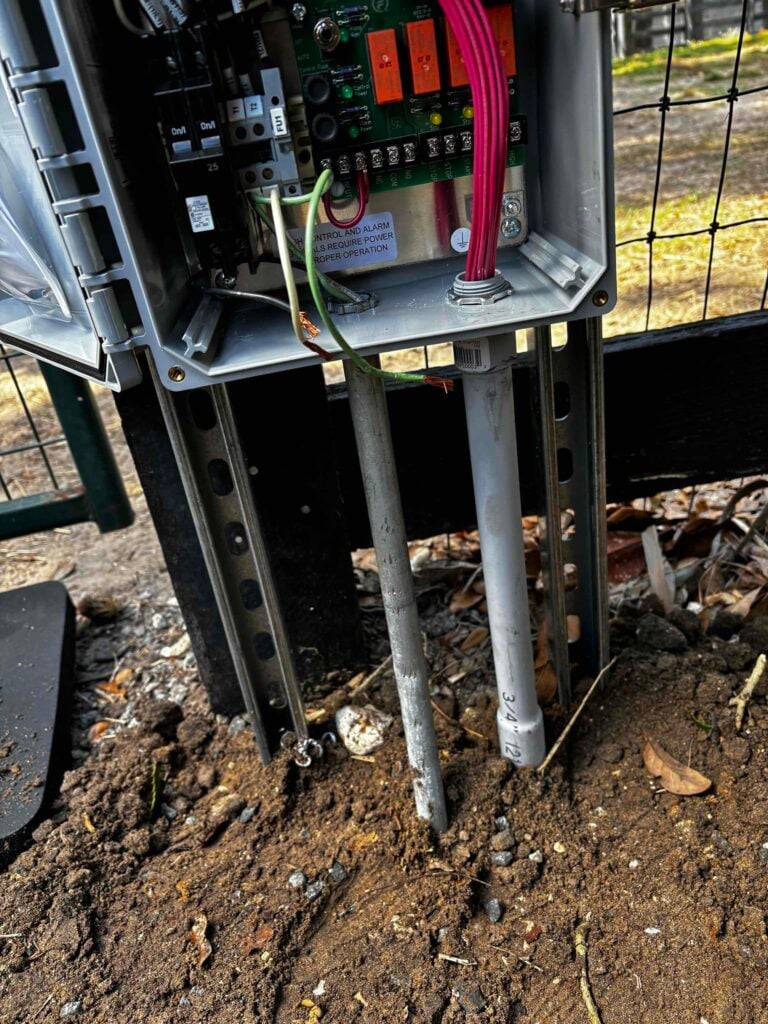
The whole visit is built so you feel safe letting someone into your home, whether you’re the one who called or the one home alone when we knock. Here’s the plan:
We don’t tack on extra charges, and we won’t quote your pump sight unseen, because the right number depends on what actually failed. A float switch or check valve repair sits at the lower end. A full pump and basin replacement costs more because of the parts, the basin seal, and the labor to do it to code.
Here’s what’s straight: our service call fee is $59, and it’s waived with any work you approve. You’ll see the price before we start, not after. If the honest answer is a small repair, that’s what we’ll recommend, even when a bigger job would make us more. That’s the trained-plumber difference, and it’s why folks keep calling us back.
Professional Choice Plumbing is run by owner Brandon Fairley, a licensed plumber who came up the hard way. He was always handy as a kid, went to college for computer engineering, quit, found a plumbing job, and it worked out. He worked as a plumbing tech and then service manager at a Seattle shop that grew into the biggest in the city before bringing that training here to Florida.
What he cares about is sending an actual plumber who knows Florida codes and respects your health and your property, not a sales act. In four years the team earned 1,233 five-star reviews and built a structured apprenticeship that trains people from nothing into real plumbers. Licensed CFC1431784. He’s married with kids and a member of BNI Strategic Allies (Ocala, Florida).
Professional Choice Plumbing is also co-owned by Uriah Johnson. Uriah is an Ocala native who has been in the plumbing trade since 2011. He’s a second-generation plumber who has expanded his knowledge by pursuing plumbing in three other states besides Florida, and he brings that expertise home to Ocala.
We’re an Ocala-based plumbing company serving homeowners across Marion, Lake, Sumter, Citrus and Alachua (Gainesville) counties, including Belleview, Summerfield, The Villages and the 200 and 301 corridors. Below-grade fixtures are less common in Florida than up north, so when you do have one, you want a plumber who knows exactly how the system should be set up to code.
A sewer ejector pump is a pump set in a sealed basin that moves waste up from a below-grade fixture, like a basement bathroom or laundry, into your main sewer line. Gravity can’t do that job when the fixture sits below the sewer, so the pump does. A float switch turns it on as the basin fills, and a check valve keeps the waste from draining back.
A below-grade bathroom usually backs up when the ejector pump, its float switch, or the check valve fails. If the pump won’t run, the basin overflows. If the check valve is stuck, waste falls back into the basin and triggers short-cycling. A trained plumber tests each part to find the real cause instead of guessing. Call 352-778-1002 and we’ll take a look.
A good rule is to have it checked once a year. We clean the basin, test the float and check valve, and make sure the pump cycles correctly. Catching a worn part early keeps a small repair from turning into a backup in your living space. If yours hasn’t been looked at in a while, it’s worth scheduling.
Most sewer ejector pumps last somewhere around 7 to 10 years, depending on how often they run and how well the basin was sealed and vented. Pumps that short-cycle because of a bad check valve or float wear out faster. If yours is near the end of its life and acting up, replacement is often the smarter spend than another repair.
Often, yes. If the basin and lid are still sealed and in good shape, we can swap just the pump and any worn parts. We only recommend a full basin replacement when the basin is corroded or no longer seals, which matters for odor and Florida code. We’ll show you the condition and let you decide.
Yes. You’ll see the price before we start any work, not after. Our service call fee is $59 and it’s waived with any work you approve. We’ll give you the repair price and the replacement price side by side when both are options, so you stay in control of the money.
Yes, when we have availability. Emergencies happen at inconvenient hours, so call or text 352-778-1002 to see if we have emergency service available for you. We’ll let you know the soonest we can get a trained plumber out to you, and we’ll be straight with you about timing.
Request a quote and we'll text you a photo and bio of your plumber before he arrives. Upfront pricing, done to Florida code, $59 service call waived with any work.