
When your lift station quits, you know it fast. The alarm screams, the floor drain gurgles, or waste backs up where it shouldn't. You don't need a sales act standing in your utility room. You need an actual plumber trained the right way, who knows Florida codes and gets the station pumping again. That's what we do. We check your pumps, floats and controls, tell you straight what's wrong, and give you upfront pricing before any work starts. The $59 service call fee is waived with any work. Let's get it handled so you can breathe easy.
A lift station is the one part of your plumbing that fights gravity for you. When it stops, everything that should flow out starts coming back. Here’s what that looks like if it waits too long. First, backups. Waste has nowhere to go, so it pushes up through the lowest drain in your home or shop, and cleanup is messy and expensive. Second, property damage. Standing wastewater ruins flooring, drywall and whatever’s stored nearby, and it’s a health risk for your family or your crew. A failed float or burned-out pump is a small fix early and a big one late. The honest move is to call when the alarm first sounds or the station starts short-cycling, not after the floor’s wet. We’ll tell you if it’s a quick repair or a bigger job, and we won’t tack on extra charges to find out.
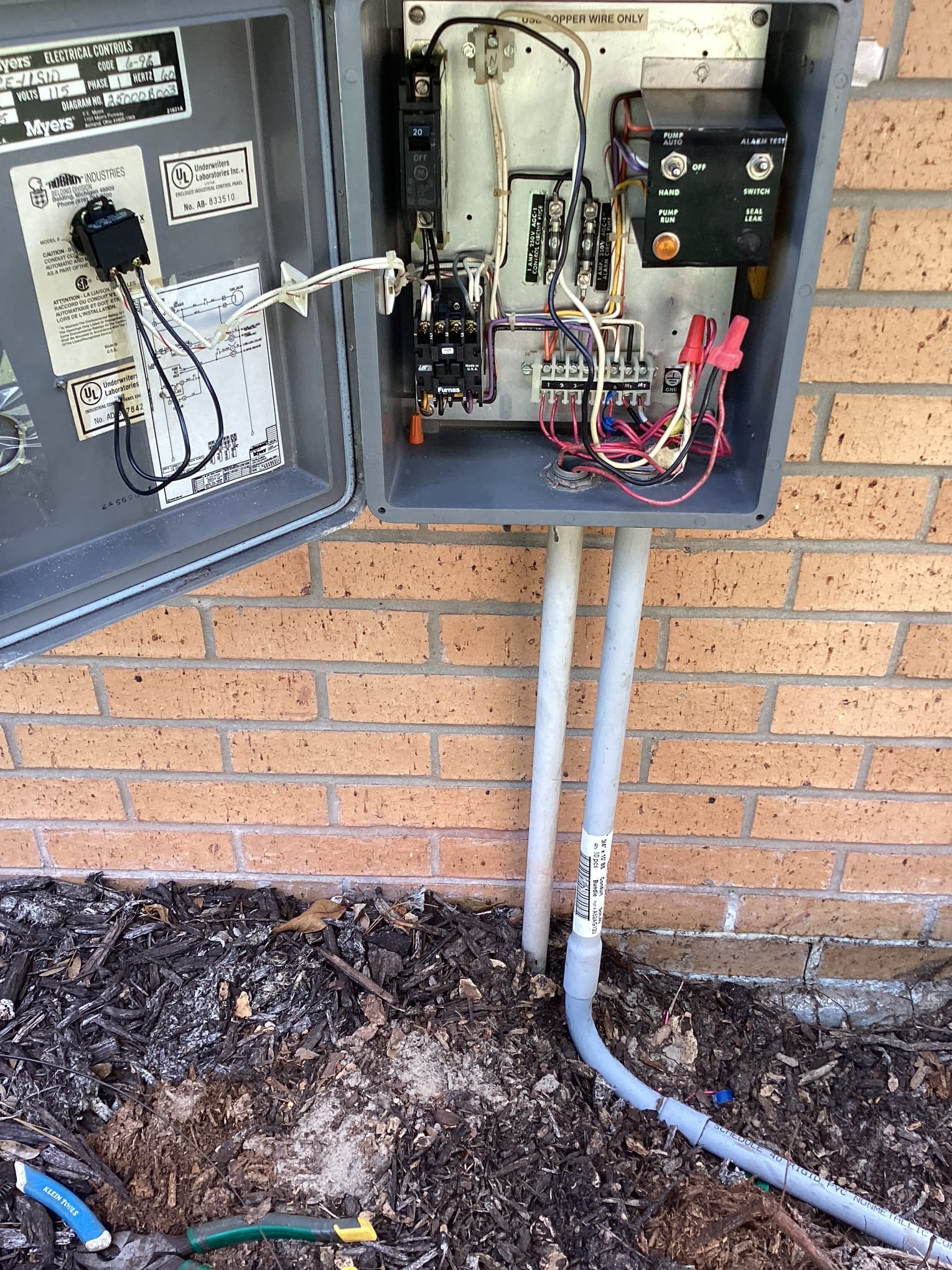
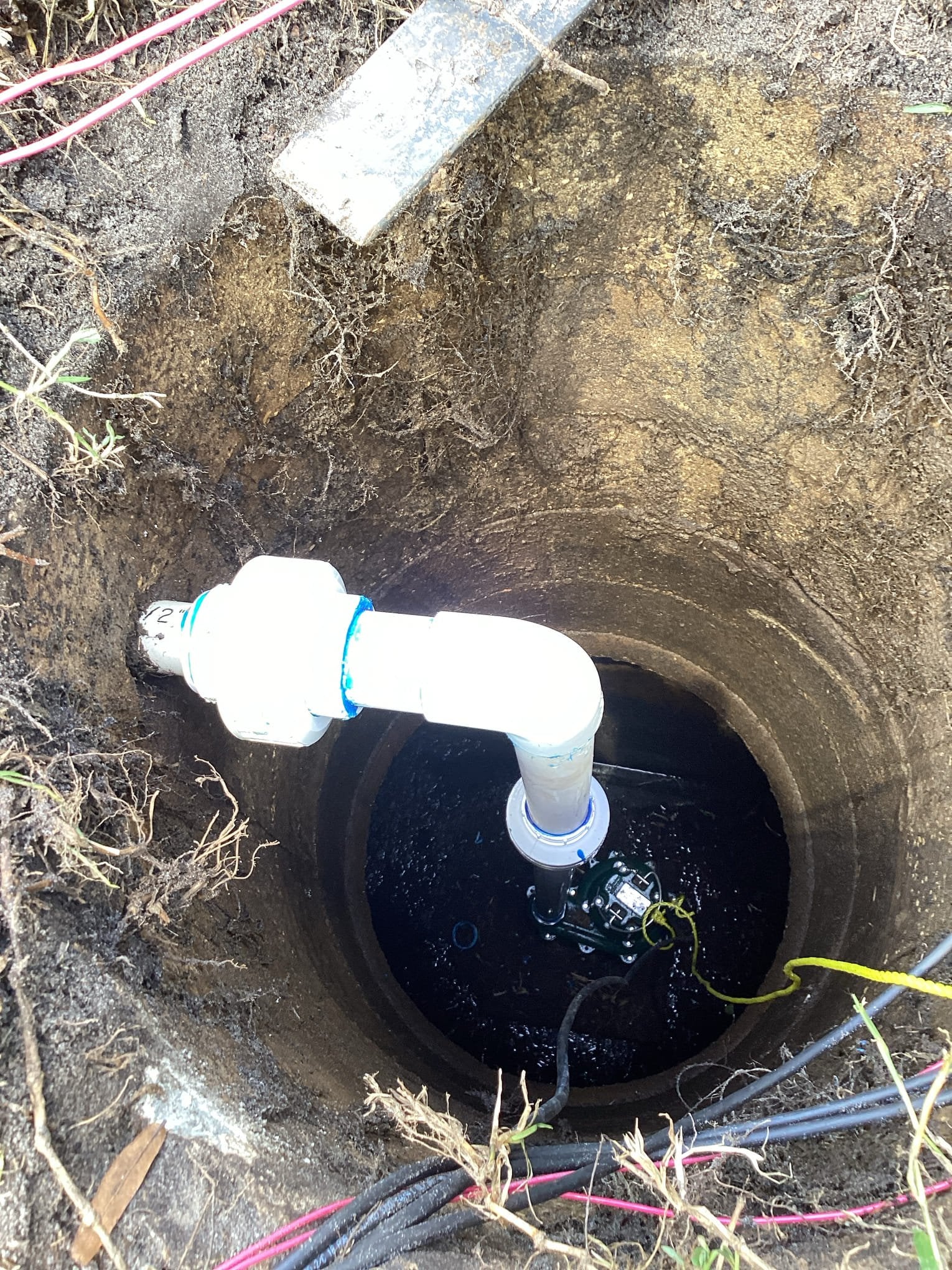
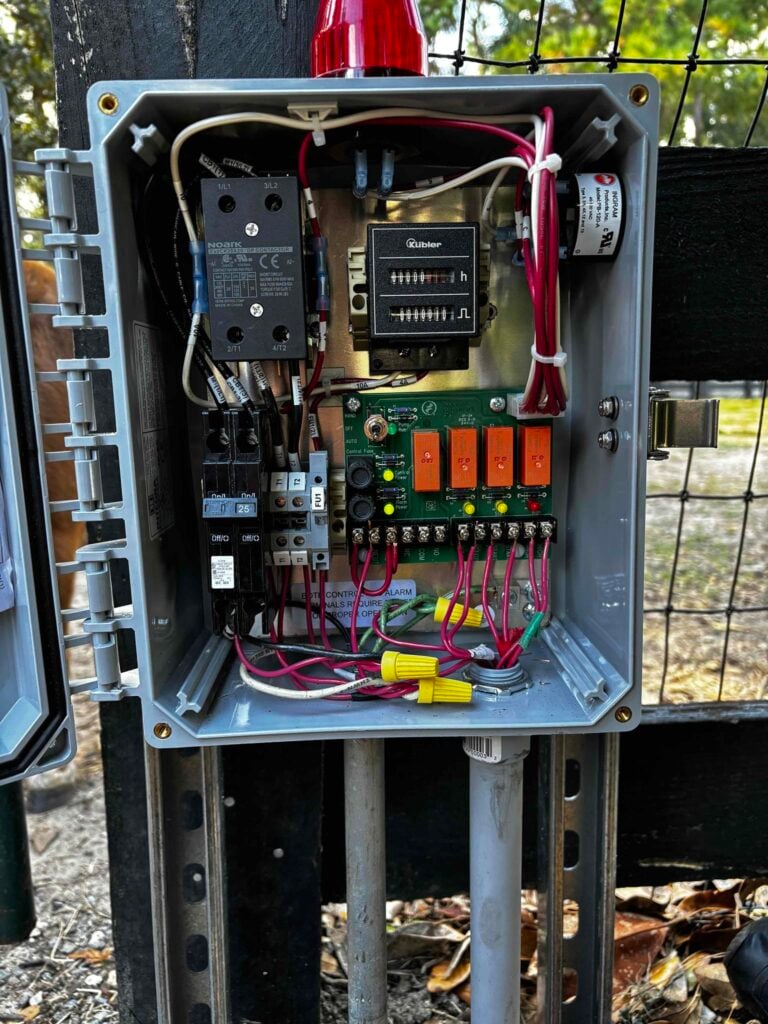
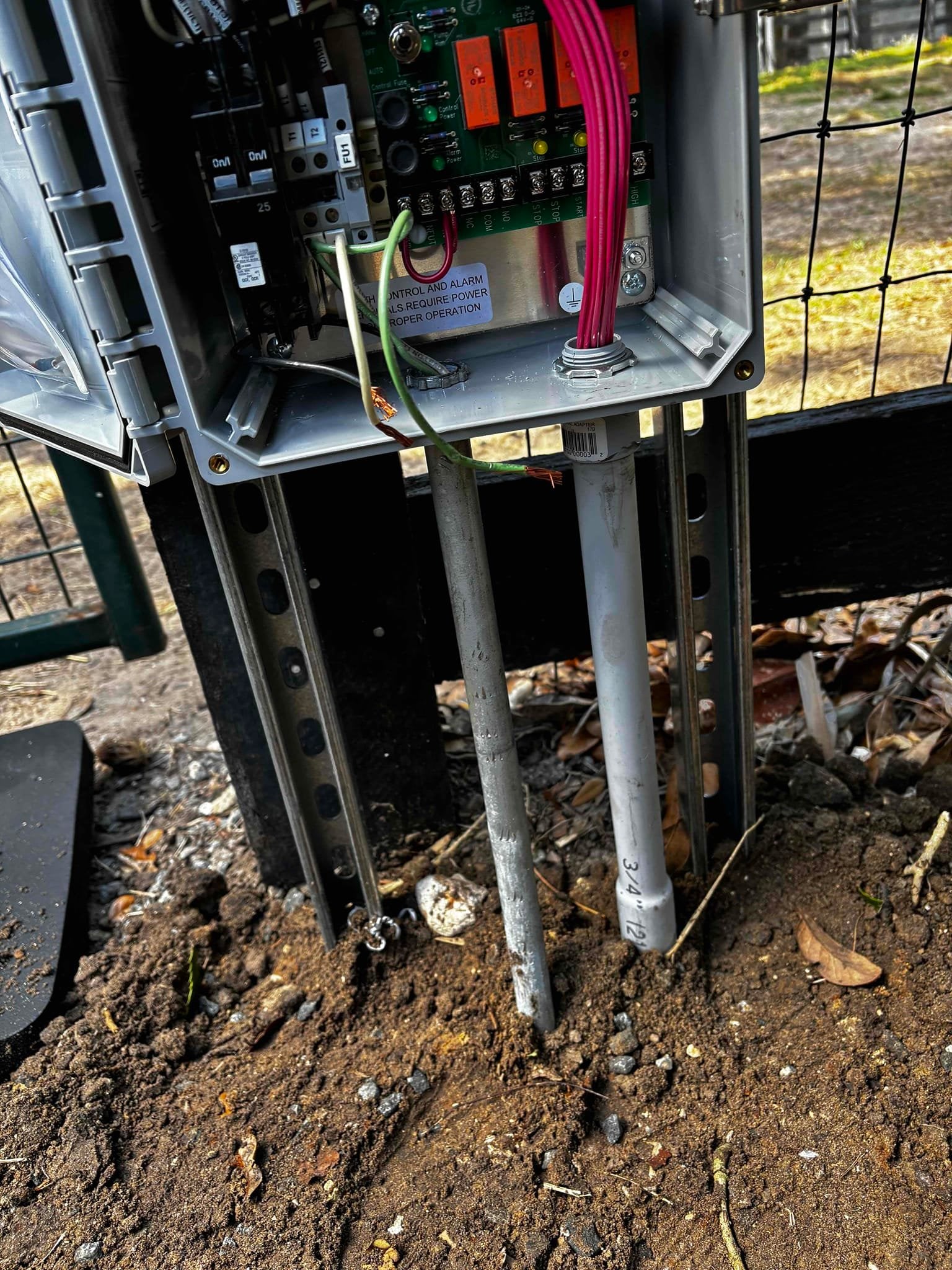
A lift station is a basin that collects wastewater from places where gravity can’t carry it to the main line, like a low basement, a barn, or a building below the sewer grade. As the basin fills, a float switch rises. When it hits the set point, it signals the pump to kick on and push the waste uphill through a pressurized line to where gravity takes over. A second float usually triggers an alarm if the water climbs too high, warning you before it overflows. Inside that basin you’ve got the pump or pumps, the float switches, check valves that stop backflow, and a control panel that runs the show. Any one of those parts can fail. The trick is knowing which one, and that takes a plumber who’s worked on these, not a guess-and-swap approach that runs up your bill.
When that alarm sounds, something in the cycle broke. Here are the usual culprits we find, and most are fixable the same visit once we know which it is.
Short-cycling, a station that runs nonstop, or one that’s gone silent are all signs worth a call. We diagnose before we prescribe, so you’re not paying for a new pump when a simple float switch would’ve fixed it.
We start by finding out what’s really happening, not by selling you the biggest fix. Your plumber opens the basin, tests the floats, checks the pump’s draw, inspects the check valves and reads the control panel. From there you get a clear picture and upfront options, so you stay in control of the money. If it’s a repair, we handle it to Florida code. If the pump’s truly done, we’ll quote a replacement sized right for your flow, not oversized to run up the ticket. Before we show up, you get a text with a photo and short bio of the plumber coming to your property, so you know exactly who’s at the door. We arrive on time, in uniform, wearing shoe covers, in a truck we track. Every tech is background-checked. That’s the whole point of how we run this, so the person inspecting your lift station is someone you feel safe letting in.
Plenty of outfits will swap a pump and leave. Here’s how we’re built different on this kind of work.
Every lift station is a little different, so an honest quote starts with a look. The $59 service call fee covers the trip and the diagnosis, and it’s waived the moment you approve any work. From there, a float switch or check valve is a small repair. A new pump sized for your flow is a bigger one, and a full station rebuild is bigger still. We don’t quote blind over the phone, because that’s how people get burned. Instead, your plumber inspects, explains what’s failing and why, and gives you clear options so you decide what fits your budget and your property. You’ll know the number before we turn a wrench. No surprises at the end.
Professional Choice Plumbing is based in Ocala and services lift stations for homeowners, farms and commercial properties across north-central Florida. That covers Marion, Lake, Sumter, Alachua (Gainesville only) and Citrus counties, including Belleview, Summerfield, The Villages and the 200 and 301 corridors. If you’ve got a pump station on your property and it’s acting up, we can likely reach you.
Brandon Fairley runs this shop. He started as a plumbing tech, worked his way up to service manager at a company that grew into the biggest in Seattle, then brought that standard to Ocala. He’s a licensed plumber license CFC1431784, first licensed in Maryland back in 2006. The idea here is simple. When we send someone to your property, you get an actual plumber trained the right way, knowledgeable about Florida codes, who cares about your health and your property. We’ve earned 1,233 reviews in four years doing exactly that, and we train our own apprentices from the ground up so the quality holds. That’s the plumber showing up for your lift station.
Professional Choice Plumbing is also co-owned by Uriah Johnson. Uriah is an Ocala native who has been in the plumbing trade since 2011. He’s a second-generation plumber who has expanded his knowledge by pursuing plumbing in three other states besides Florida, and he brings that expertise home to Ocala.
A lift station is a basin and pump system that moves wastewater uphill when gravity can’t carry it to the sewer or main line. It’s common where a drain sits below the sewer grade, like a low building, a barn or a basement. Floats trigger the pump to run and an alarm to sound if water gets too high.
The alarm usually means water in the basin climbed higher than it should, which points to a pump that isn’t running or isn’t keeping up. Common causes are a stuck float switch, a clogged or burned-out pump, a failed check valve, or a power issue at the control panel. It’s worth a call right away, before waste has a chance to back up.
For most properties, a yearly inspection catches float, pump and valve problems before they fail. Farms and commercial kitchens that push more grease or debris often need it more often. Regular service is cheaper than an emergency backup, so we’d rather check it than clean up after it.
It depends on what’s failing. A float switch or check valve is a small repair, while a new pump or a full station rebuild costs more. Our $59 service call covers the trip and diagnosis and is waived with any work, and you get upfront pricing before we start so there are no surprises.
Yes. If your pump is truly done, we’ll size a replacement to match your property’s flow, not oversize it to inflate the bill, and install it to Florida code. We always check the cheaper fixes first, so you’re not paying for a new pump when a float or valve would have solved it.
Backups happen when the pump can’t move waste out faster than it comes in. That’s usually a dead pump, a stuck float, a clogged discharge line, or a check valve letting waste fall back into the basin. Grease and items like wipes that shouldn’t go down a drain are frequent offenders.
Yes. We handle lift stations for homes, farms and commercial properties across Marion, Lake, Sumter, Alachua and Citrus counties. Commercial and farm stations often deal with more grease and solids, so we check the floats and pump closely for buildup.
Before your plumber arrives, we text you a photo and short bio of the person coming out. They show up on time, in uniform, wearing shoe covers, in a truck we track, and every tech is background-checked. You should feel safe about who’s at your door, and that’s how we make sure you do.
A trained plumber inspects your pumps, floats and controls, gives you upfront pricing, and fixes it to Florida code. The $59 service call is waived with any work.